Key takeaways
- Standard vehicle tables describe factory configurations — swapped and imported cars fall through the gaps.
- Modelling swaps as “chassis + installed engine” unlocks a large, loyal enthusiast market.
- Clear notes on required adapters, mounts and tuning prevent returns.
AAIA data doesn’t cover things like non-United States vehicles and engine swaps. We do. That line from our distributor page points at a real gap: in the performance world, many of the most valuable customers drive cars that no factory catalog describes. This article explains how engine swap fitment data and imported vehicles can be handled properly.
The gap in standard data
Standard fitment is built on vehicle configuration tables that describe vehicles as sold, mainly in North America. That works perfectly for a brake pad on a stock commuter car. It breaks for:
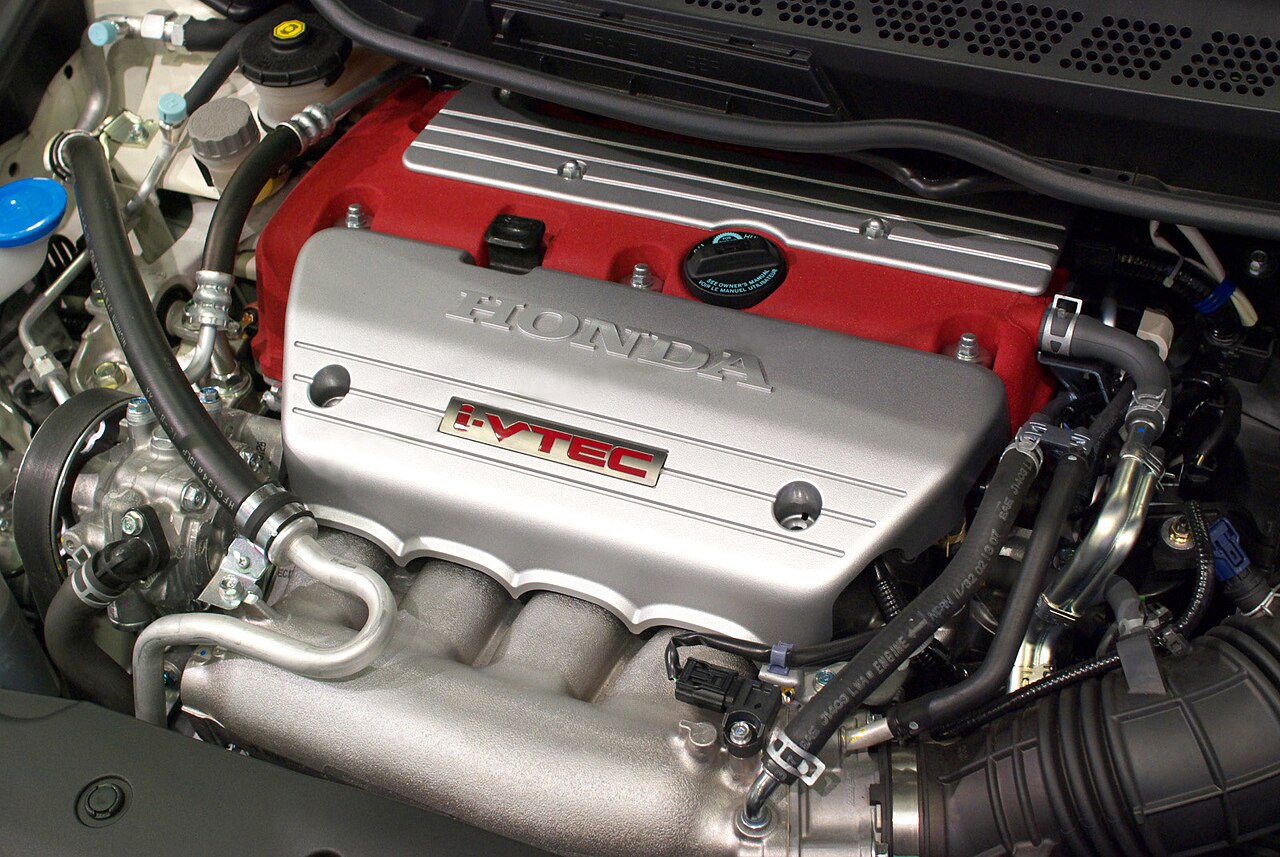
- a 1994 Honda Civic with a K20 engine from a newer Civic Type R or RSX Type S;
- a 1990s pickup or classic muscle car with a GM LS V8 swap;
- a Nissan Skyline or other right-hand-drive car legally imported to the U.S. once it reached 25 years of age;
- European or Asian models never sold in North America but owned by enthusiasts;
- Canadian- or Mexican-market variants with different engines or trim.
When a catalog can’t describe these cars, the parts customers need are either missing from search or — worse — shown with factory fitment that doesn’t apply.
How to model an engine swap
The trick is to treat a swapped car as a combination of two things: the chassis (body, suspension, brakes, interior) and the installed engine (engine-bay parts, intake, exhaust manifold, fuel, cooling, electronics).
| Part category | Fitment follows… | Example |
|---|---|---|
| Suspension, brakes, body, interior | Chassis | Coilovers for EG Civic fit regardless of engine |
| Intake manifold, turbo kit, engine internals | Engine | K20A intake manifold fits K20A, wherever it sits |
| Engine mounts, headers, radiators, shifter cables | Chassis and engine | K-swap mount kit for EG Civic chassis |
| Wiring and ECU | Engine + chassis + transmission | Conversion harness for K-series into EG/EK |
The third and fourth rows are “swap-specific” parts — the categories where enthusiasts spend heavily and where standard data is weakest. RPMWare stores this combination explicitly, so a shopper can select “1994 Honda Civic with K20 swap” and see chassis parts, engine parts and swap-specific parts together.
Popular swap platforms
- Honda K-series into older Civic, Integra and CRX chassis.
- GM LS / LT V8s into trucks, classic muscle cars, Mazda Miatas and more.
- Ford Coyote 5.0 V8s into older Mustangs and Fox-body platforms.
- Toyota JZ inline-sixes into a range of chassis.
- Subaru EJ engines into older Subaru chassis.
For a shop, specialising in one or two swap platforms is a strong niche: customers need many parts, value expertise and come back for the next stage of the build.
Imported and non-US vehicles
Vehicles imported under the 25-year rule (for example many 1990s Japanese-market sports cars) have their own model codes, engines and options. Good data for them needs:
- market-specific model and chassis codes (e.g. BNR32, JZA80, FD3S);
- engine codes and right-hand-drive / left-hand-drive distinctions;
- notes where parts for the closest US-market model do not fit.
Write the notes that prevent returns
Swap and import fitment always comes with conditions. Make them explicit next to the price:
- “Requires K-swap engine mounts (sold separately).”
- “Designed for RHD vehicles only.”
- “Requires ECU tune after installation.”
- “Clearance with factory brake booster may require modification.”
Pair them with installation guides and a way to ask before buying — see reducing returns with accurate fitment data.
Legal and compliance reminders
Engine swaps can affect emissions compliance and registration, especially in states with strict rules like California. Display emissions status clearly and remind customers to check local regulations. Imported vehicles must have been legally imported and registered — that’s the owner’s responsibility, but helpful guidance builds trust.
Frequently asked questions
Why don’t manufacturers include swap fitment in their data?
Many simply follow the standard vehicle tables, which only describe factory configurations. Swap applications need an extended data model like RPMWare’s.
How should a shopper select a swapped car?
Select the chassis (year/make/model) and then the installed engine. The store then combines both sets of fitment.
Can distributors get swap fitment data?
Yes — it is included in RPMWare data licensing alongside standard ACES-compatible data. See RPMWare for Distributors.