Key takeaways
- Fitment errors — not damaged boxes — drive the largest share of returns for most parts sellers.
- A return costs far more than the refund: two-way shipping, handling, restocking, lost margin and a disappointed customer.
- Accurate fitment data, a vehicle-first shopping experience and clear product content prevent most avoidable returns.
Every parts seller knows the feeling: the box comes back unopened, the customer says “it doesn’t fit”, and the profit from the sale is gone — plus some. If you want to reduce auto parts returns, start with the cause that dominates nearly every returns report in our industry: incorrect or unclear fitment information.
What a return really costs
The refund is just the visible part. A typical fitment return also includes:
- Outbound shipping you already paid (often free shipping you absorbed).
- Return shipping, especially painful for oversized items like exhausts, bumpers and intercoolers.
- Handling time: opening the RMA, inspecting the part, restocking or returning it to the distributor.
- Restocking fees from your supplier, which you may not be able to pass on.
- Payment fees that card processors usually do not refund.
- Lost customer lifetime value: a customer who receives the wrong part is less likely to come back.
As a rule of thumb, many retailers find that a return costs 20–30% of the order value even when the part goes back on the shelf. Try the returns calculator on our homepage with your own numbers.
Why fitment goes wrong
- Incomplete data. The catalog lists the base model but not the engine, transmission or body variant that matters.
- Notes nobody reads. Critical conditions (“manual transmission only”) are hidden at the bottom of a long description.
- Customer uncertainty. Shoppers don’t always know their exact submodel or production date.
- Out-of-date information. The manufacturer revised an application, but your store still shows the old one.
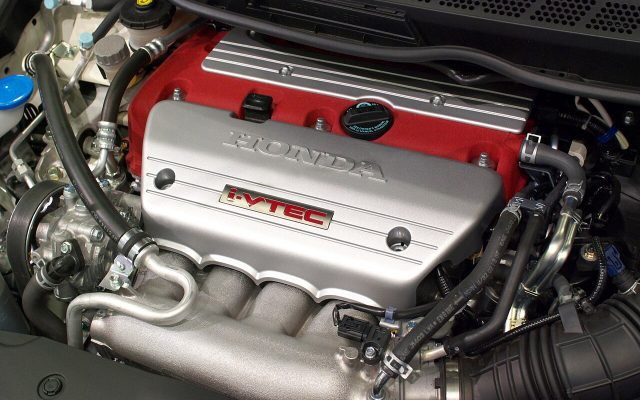
- Modified vehicles. Enthusiast cars often have swapped engines or aftermarket parts that change what fits.
Step 1: Fix the data at the source
Store design can only display what the data contains. Use a catalog built on the ACES standard so applications include the attributes that actually determine fit — engine, drivetrain, body style, and standardized qualifiers. (New to the standards? Read ACES and PIES explained.)
Just as important is freshness. When a manufacturer corrects an application, that correction should reach your store automatically. With RPMWare, corrections reported by any store are verified by our data team and pushed to every store at once — the “maintained by millions” effect.
Step 2: Make the shopping experience vehicle-first
- Ask for the vehicle early. A prominent year/make/model selector on the homepage and category pages filters out parts that do not fit before the shopper falls in love with them. See our guide to building a great parts finder.
- Remember the vehicle. A saved “garage” keeps the selection across pages and visits.
- Confirm fitment on the product page. A clear green “Fits your 2015 Subaru WRX STI” — or an equally clear warning — removes doubt at the moment of purchase.
- Surface qualifiers next to the add-to-cart button, not in the description footer.
- Show it again in the cart and confirmation email. One last chance to catch a mismatch before the part ships.
Step 3: Show customers what they are buying
Multiple images, dimensions, installation instructions and “what’s in the box” lists answer the question “is this the right part?” better than any paragraph. Our guide on product content that sells performance parts covers this in detail.
Step 4: Handle the uncertain buyer
Some customers will still be unsure. Give them an easy way to ask before they buy: a “Check fitment” button that opens a short form with the VIN field, live chat, or a phone number. One five-minute conversation is cheaper than one return. Track these questions — they reveal gaps in your data.
Step 5: Learn from every return
Add a mandatory, structured reason to your RMA process: wrong fitment (data), wrong fitment (customer selected wrong vehicle), damaged, changed mind, and so on. Review fitment returns monthly by brand and part type. If one product causes repeated problems, fix the data — and tell your catalog provider so everyone benefits.
Measuring progress
| Metric | How to calculate | What good looks like |
|---|---|---|
| Return rate | Returned orders ÷ shipped orders | Trending down month over month |
| Fitment return share | Fitment returns ÷ all returns | Falls as data improves |
| Pre-sale fitment questions | Questions per 100 orders | Falls as product pages improve |
| Cost per return | All return costs ÷ returns | Known, so you can price shipping and policies correctly |
A note for distributors
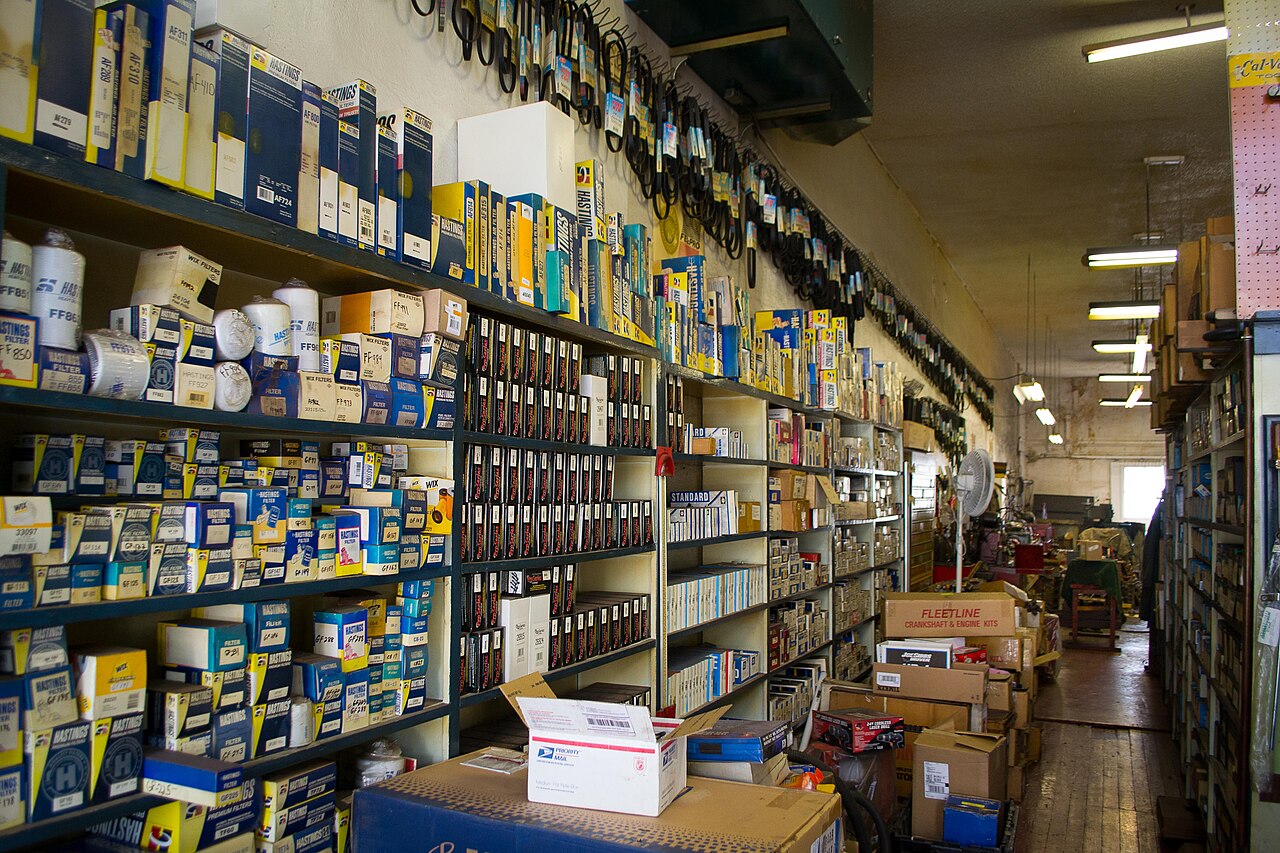
Warehouse distributors see the same pattern at scale: incorrect fitment information comprises the largest percentage of RMAs at most shops and WDs. Giving counter staff and B2B customers a reliable lookup is one of the fastest ways to protect margin — see RPMWare for Distributors.
Frequently asked questions
What is a normal return rate for auto parts online?
It varies widely by category — universal accessories differ from vehicle-specific hard parts — but sellers with strong fitment data and vehicle-first stores consistently report lower rates than those relying on free-text descriptions.
Should I charge restocking fees?
Restocking fees can deter careless orders, but they also deter buyers. Many sellers waive them when the return was caused by their own data error and apply them only to change-of-mind returns.
Does asking for the VIN help?
For uncertain buyers, yes. A VIN decodes the exact vehicle configuration and is a quick way for staff to confirm fitment before shipping.
Ready to stop seeing the same boxes twice? See how RPMWare for Shops works or talk to us.