Key takeaways
- Content answers “is this the right part and is it worth it?” — the two questions that decide every purchase.
- Standardise titles, images and specs across brands so customers can compare.
- Install info and compliance notes reduce support calls and returns.
With extensive fitment data and multiple product images, your customers know what they are getting before UPS drops it off. That simple idea is the core of good product content. Here is a practical checklist for auto parts product descriptions, images and specs that sell.
1. Titles that work for people and search
A consistent title formula makes listings scannable and searchable:
Brand + Product line + Part type + Key spec + Vehicle (when vehicle-specific)
Example: Skunk2 Pro Series Intake Manifold — Cast Aluminum — Mitsubishi Evo VIII/IX. Keep the part number visible on the page (not necessarily in the title) and avoid ALL CAPS and keyword stuffing.
2. Images: the most important content
- At least three images: the product on a clean background, a detail shot (welds, finish, connectors), and the product installed or in context.
- “What’s in the box” image for kits — hardware, gaskets, brackets.
- Consistent size and background across the catalog (for example square, 1500 px or larger, white or light grey background).
- Zoom on desktop and pinch-zoom on mobile.
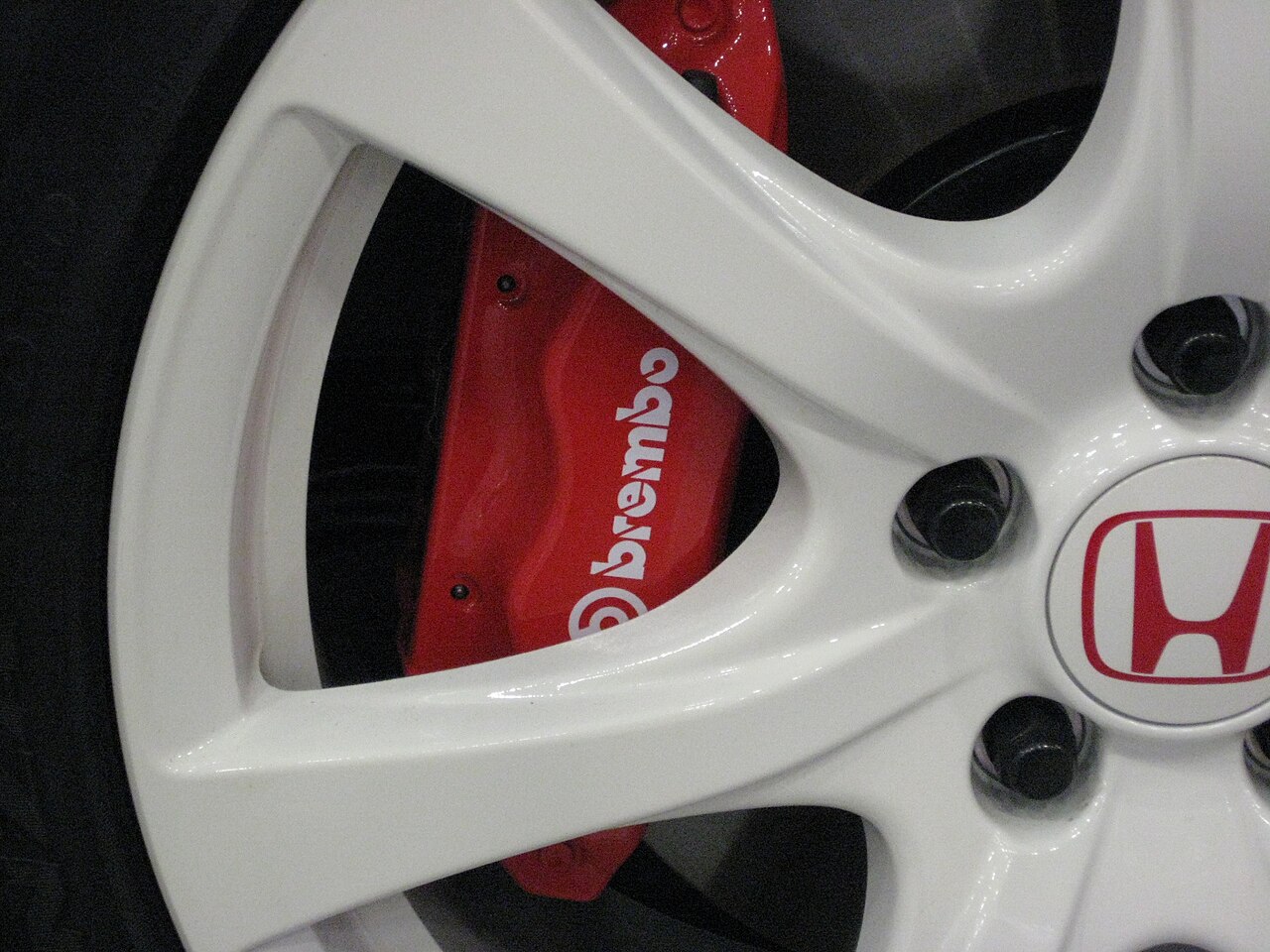
- Descriptive file names and alt text, e.g. “brembo-gt-6-piston-caliper-red.jpg”.
When manufacturers supply images through PIES digital asset records, they arrive linked to the correct part numbers automatically.
3. Descriptions that answer real questions
Structure beats prose. A proven layout:
- One-paragraph summary: what it is, who it’s for, the main benefit.
- Features & benefits as bullets: “OEM-length runners with larger bores — keeps mid-range torque while improving top-end airflow.”
- Specifications table: material, finish, dimensions, weight, inlet/outlet size, thread pitch.
- Fitment notes in plain language: required supporting mods, tune requirements, known clearances.
- What’s included / not included.
- Warranty and support contact.
4. Installation information
Link the manufacturer’s installation instructions (PDF or video), and add your own notes: estimated install time, difficulty, tools needed and parts to replace at the same time (gaskets, bolts). Customers who know what they are getting into are happier — and less likely to return a part because “it was harder than expected”.
5. Compliance information
- Emissions: show whether a part is emissions-legal in all states, requires a California Air Resources Board (CARB) Executive Order number, or is for off-road / competition use only. Display the EO number when available.
- California Proposition 65: display warnings where the manufacturer requires them.
- Hazmat and shipping restrictions for fluids, batteries and aerosols.
Clear compliance information protects you and your customers — and some brands require it.
6. Social proof
Reviews with photos of installed parts are powerful, especially when reviewers mention their vehicle. Ask for reviews a couple of weeks after delivery (once the part is installed), moderate them fairly and respond to critical ones.
7. Prioritise ruthlessly
You cannot perfect 250,000 products. Prioritise your top sellers, high-margin items and products with high return or question rates. Use manufacturer content as the baseline everywhere and enrich the products that matter most.
8. Maintain it
Content goes stale: products are revised, instructions updated, applications added. Work from a catalog that is maintained centrally so updates reach your store automatically, and review your top pages each quarter.
Quick audit checklist
| Check | Yes / No |
|---|---|
| Consistent title formula | ☐ |
| 3+ images including detail and installed shots | ☐ |
| Features bullets and specs table | ☐ |
| Plain-language fitment notes near the price | ☐ |
| Install instructions linked | ☐ |
| Emissions / Prop 65 information | ☐ |
| Reviews enabled and requested | ☐ |
Frequently asked questions
Can I use manufacturer images?
Authorised dealers are usually allowed to use manufacturer marketing assets; check the brand’s dealer agreement. Never copy images from other retailers.
How long should a product description be?
As long as needed to answer buyers’ questions — often 150–400 words plus a specs table for performance parts. Structure matters more than length.
Do videos help?
Yes, especially for sound (exhausts), installation and complex kits. Host them efficiently so they don’t slow your pages down.
Manufacturers: let our data team turn your raw materials into complete, consistent listings — RPMWare for Manufacturers.